Early childhood
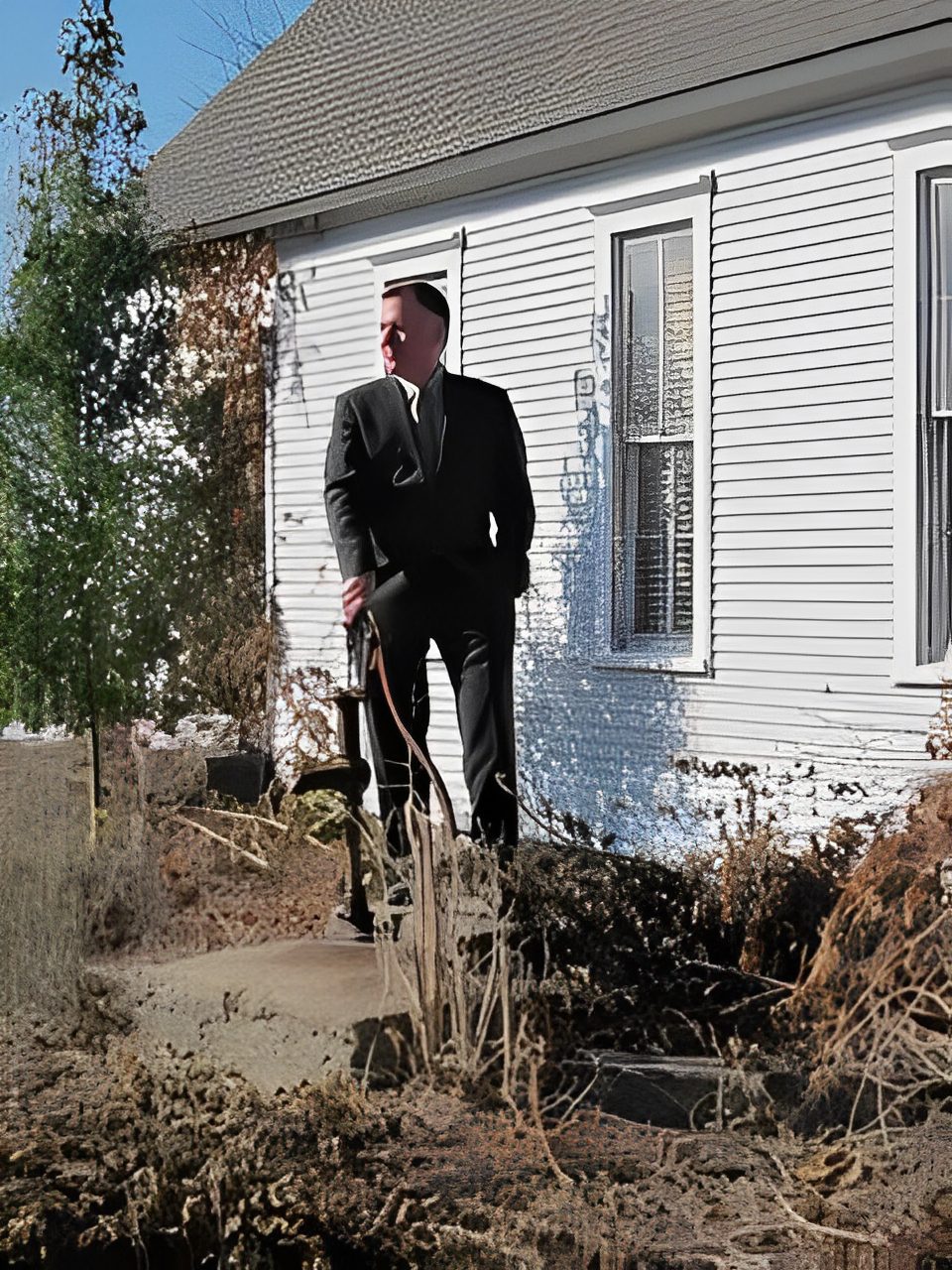
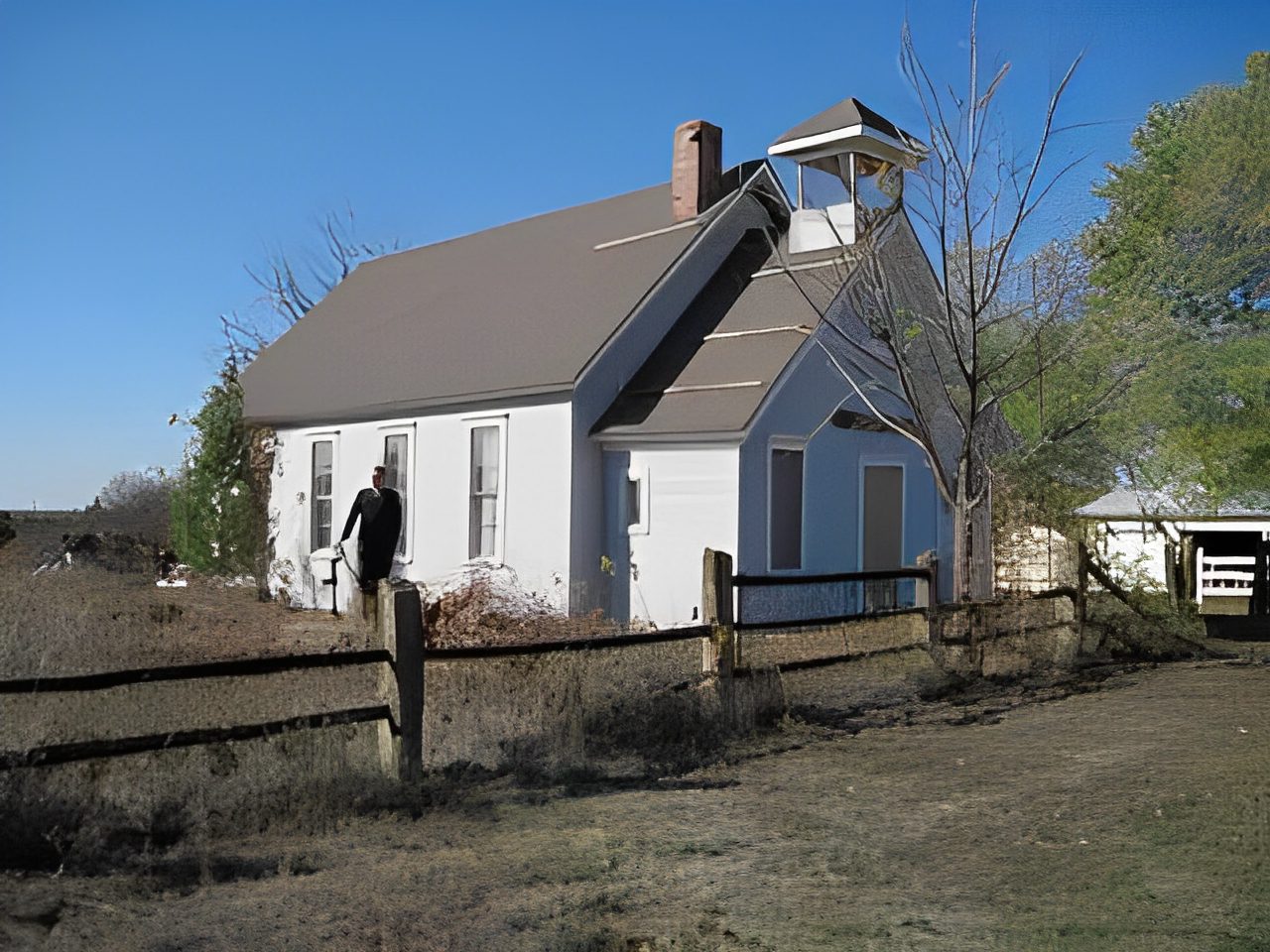
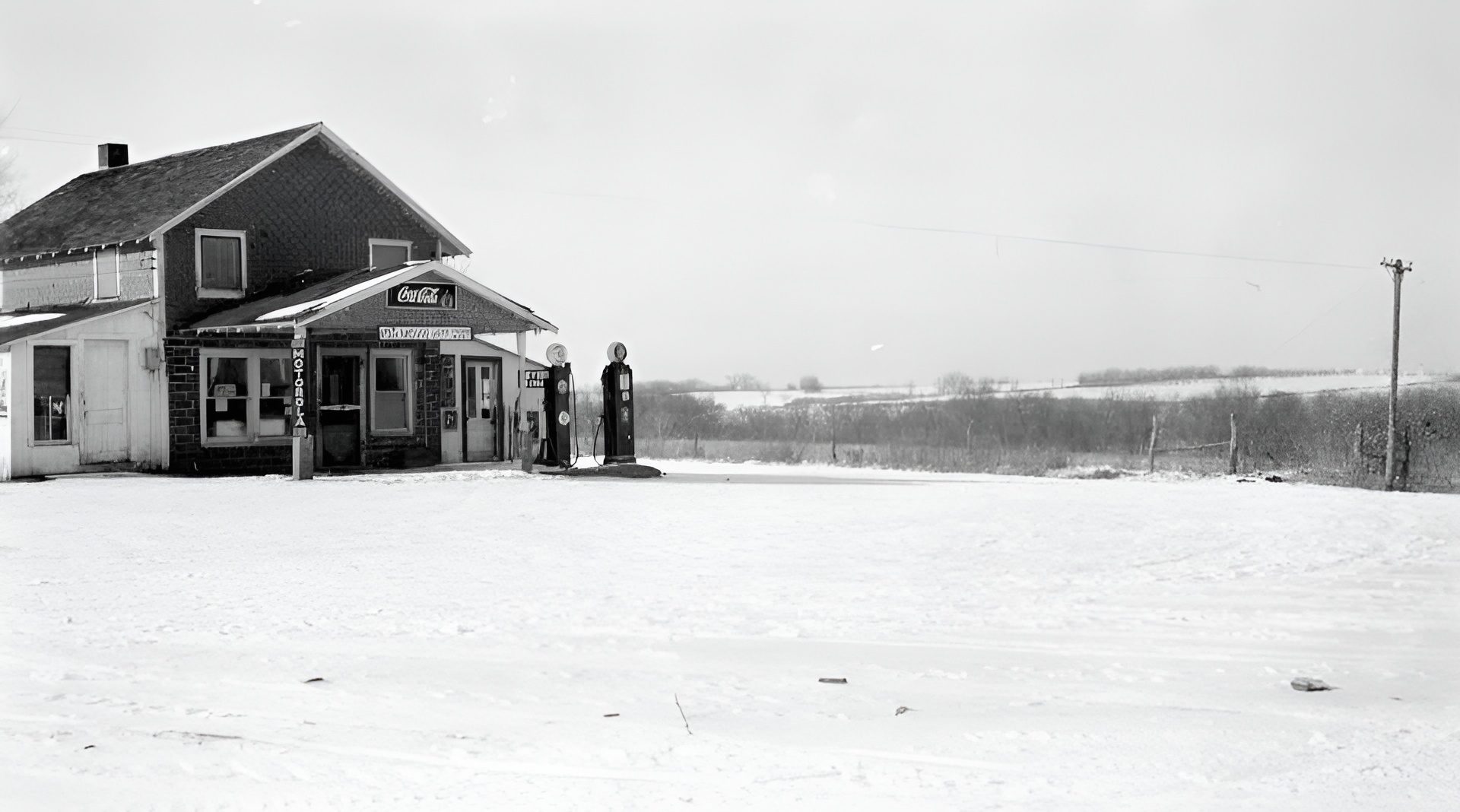
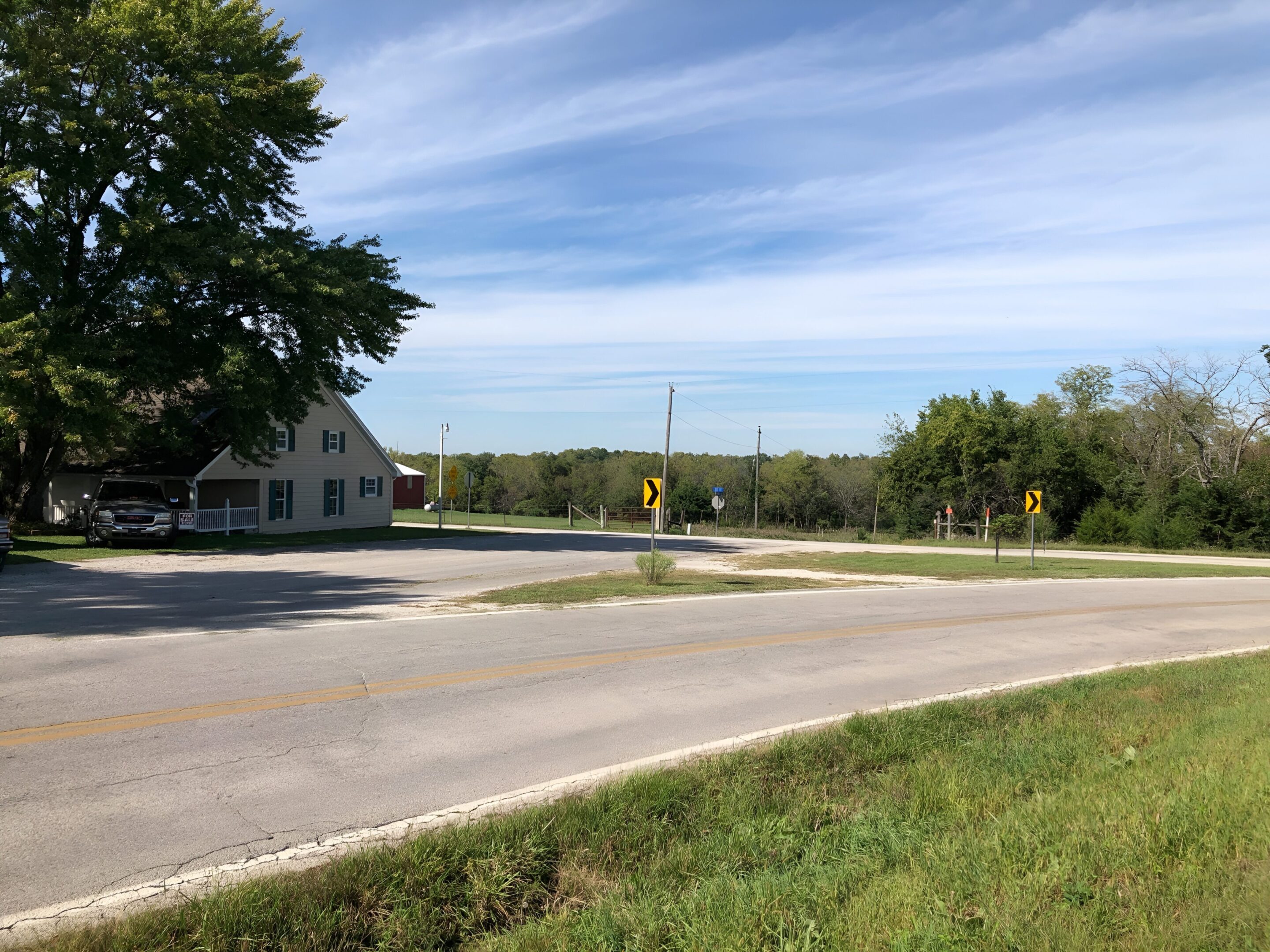
THE HOUSE AND COUNTRY STORE WHERE I WAS BORN AND RAISED: the photo with the two gas pumps in front was the way it looked when I was a kid. The other is from 2017. Now it's a vastly enlarged house with a big tree that my father planted and — yes — with actual plumbing (a toilet inside!).
All of my life until very recently, I kept our poverty a secret. When I was a kid, we pumped water from the backyard well by hand into a bucket, and carried it into the house for cooking, bathing and doing laundry. A tin bathtub hung on a nail on the wall of the back shed that had holes in the wall, so big that I could run through them without ducking, and we bathed on Saturday nights. The store is no longer in use; because of paved roads and better cars, it’s easy for everyone to drive to the nearby town of Gardner to buy groceries and gas – – and, honestly, just about our only customers were our relatives – – about four customers per day on the average. It was my childhood ambition to someday live in Gardner, Kansas. I now reside part time in Gardiner, New York.
I’m the sixth generation on both sides from the original Kansas homesteaders, who came from England and Germany (the acronym WASP means White Anglo-Saxon Protestant -- (Saxony is a Bundesland in east Germany) and there was a Jewish strain also.
In 1854, Kansas became a territory of the United States, and then a State in 1861, the beginning of the Civil War. Kansas was designated as a “free“ state and the “Missouri Compromise” was about Missouri being identified as a slave state.
John Brown’s cabin was very close to our house. JB had a propensity to cross the Missouri State line to murder white slaveowners, so, depending on your point of view, he is either hero or a mass murderer (or both).
The “Vernichtung” of the Native Americans was well underway during this time (my great uncle Bill – – who was literally illiterate and signed his name with an X — could gleefully remember his grandfather killing Indians (I said just now with head hanging in shame). Long before the Internet, at the Library of Congress in Washington DC I learned that the original tribe was called the Kansa Indians, or, plural, the Kansas.
One more noteworthy detail about this early life was that our neighbor was Richard Hickcock, one of the murderers that Truman Capote immortalized in “In Cold Blood”. He was in high school when my sister, Carol, was little, and just before I was born. Our front store was the gathering spot for all the farmer high school students to catch the bus to Springhill High School. My parents recalled that he would steal candy in the store. Capote mentions that Hickcock married the local preacher‘s daughter. That was our preacher for the only religion available in the area, a Baptist Church near our house. “In Cold Blood” was published when I was 15 years old and I read it immediately. To me, it was local news.